

Vision Coverage Matters More Than You Think

 August 26, 2026

The Eye Exam That Does More Than Check Your Prescription

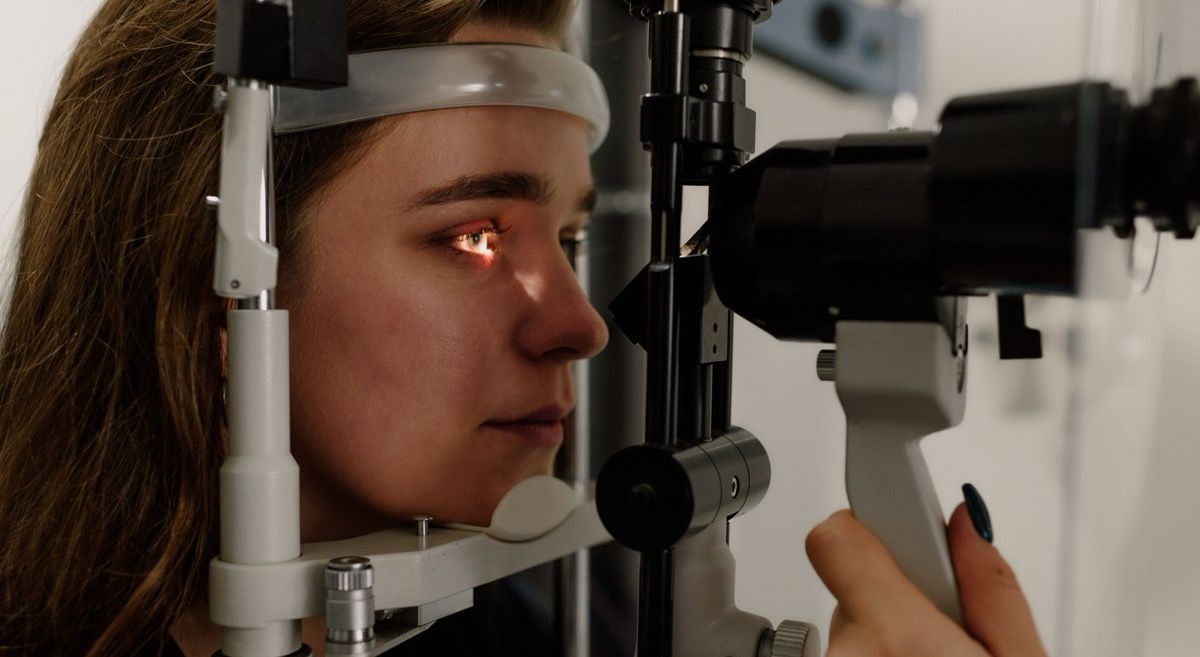
Did you know an eye exam could be the key to spotting a health issue elsewhere in your body? If you haven’t scheduled one in a while, you’re not the only one. Many people put off routine eye care because they assume it is only necessary if their vision seems blurry or they need new glasses or contacts. But a comprehensive eye exam is about far more than reading letters at a distance of twenty feet. It gives a doctor a direct look inside your body, and that view can offer valuable clues about your overall health, not just your eyesight.


Your Eyes Are a Window to Your Overall Health


According to clinical guidelines from the American Optometric Association (AOA), a comprehensive eye exam can help detect early signs of more than 270 systemic and chronic diseases, including:


  • High blood pressure
  • High cholesterol
  • Diabetes
  • Glaucoma and macular degeneration
  • Select autoimmune conditions


The reason an eye exam can pick up on so much is that a doctor can directly view blood vessels and nerve tissue through your eyes without an x-ray, a CT scan, or any invasive procedure. Subtle changes in those blood vessels or in the optic nerve can be an early warning sign of a health issue developing elsewhere, which is part of why annual comprehensive eye exams are recommended for most adults, not just those who wear glasses or contacts.


Bridging the Gap: Health Insurance Alone May Not Cover You


Knowing the medical value of an exam is the first step, but it’s also important to understand how that care is financed. It is a common misconception that a major medical or health insurance plan automatically covers routine eye care. In practice, most health plans are built to cover care that is considered medically necessary, such as treating an eye injury, managing an eye disease, or diagnosing a specific symptom you report to a doctor. Routine, preventive vision care, like an annual comprehensive eye exam simply to check your eye health and update your prescription, along with the cost of glasses or contact lenses, typically falls outside what a standard health plan pays for.


That gap is exactly where a separate vision insurance plan or a vision rider added to an existing policy can help. Rather than paying the full cost of exams, frames, lenses, and contacts out of pocket, a vision benefit is designed specifically to offset those routine, recurring expenses that major medical coverage generally does not address.


What Vision Insurance Typically Includes


While benefits vary by carrier and plan, most vision insurance policies are built around a similar core structure. Typically, this includes coverage for an annual comprehensive eye exam, usually for a modest copay, along with an allowance or discount applied toward the cost of frames, prescription lenses, or contact lenses. Many plans also offer materials allowances that renew every year or two, discounts on additional pairs of glasses for backup or specialty use, and in some cases, reduced rates on elective procedures like LASIK. Because premiums for vision coverage tend to be low relative to the potential savings on exams and eyewear, it is often one of the more approachable supplemental benefits available.


How Vision Coverage Fits Your Broader Supplemental Strategy


Vision insurance is just one piece of a broader strategy aimed at reducing unexpected out-of-pocket costs and supporting whole-person health, rather than a standalone add-on. One of our licensed agents can walk you through the vision insurance plans and options available to you, help you understand what each plan covers, and help you decide which policy makes sense for your situation and budget.

Woman pointing at a health insurance website on a laptop while helping an older woman
November 11, 2026
Helping a parent or loved one with Medicare Annual Enrollment? Discover 5 tips for reviewing coverage, comparing plans, and preparing for 2027.

Older man with glasses writing in a notebook at a wooden table beside a tablet
November 4, 2026
Preparing for Medicare Annual Enrollment? Explore 7 important questions about costs, doctors, prescriptions, and coverage options for 2027.

Patient lying in bed with hospital monitor in foreground showing vital signs
October 28, 2026
Hospital stays can be expensive even with Medicare. Learn how hospital indemnity insurance can protect your savings from unexpected inpatient costs.

Two people walking arm in arm toward a yellow house with a white porch and dark roof
October 21, 2026
Spending part of the year in another state? Learn how Original Medicare, Medicare Advantage, Medigap and Part D may work when you live in two places.

Person in a lavender shirt using a laptop while holding a cup on a desk with decor and flowers in the background
October 14, 2026
Learn what's been driving Medicare Advantage plan exits and benefit cuts. Understand the pattern and what to watch for when 2027 plans are announced this October.

Assorted colorful pills and capsules scattered together on a white background
October 7, 2026
A temporary Medicare Part D premium program ends after 2026. Learn what it could mean for your 2027 drug plan costs and coverage.

Gold, silver, bronze, and platinum bars and coins arranged side by side with matching metallic backgrounds
August 19, 2026
A clear guide to Health Insurance Marketplace metal tiers. Learn how Bronze, Silver, Gold, and Platinum plans split costs and how to pick the right one.

Person in blue sweater sorting a stack of mail on a couch with a letter in hand
August 12, 2026
Every fall, Medicare Advantage and Part D plans mail an Annual Notice of Change. Learn what it means for your costs, coverage, and doctors next year.

Three coworkers discussing around a laptop in a bright office meeting room
August 7, 2026
Buying insurance online is fast, but a licensed agent can help you compare carriers, understand the fine print, and advocate for you at claim time.

A bunch of soda cans are stacked on top of each other
By Agency Bloc • July 1, 2025
As the summer sun beckons and thirst levels rise, it's tempting to reach for a cold, fizzy beverage. But before you pop open that soda can, consider this: your drink choice has long-term implications for your health. The Hidden Risks in Your Glass A comprehensive study by the International Agency for Research on Cancer (IARC) analyzed data from over 451,000 individuals across 10 European countries over a 16-year period. The findings revealed that consuming two or more 250 ml glasses of soft drinks daily—whether sugar-sweetened or artificially sweetened—was associated with a higher risk of all-cause mortality compared to those who drank less than one glass per month . Delving deeper: Artificially Sweetened Beverages : Individuals consuming two or more glasses daily had a 26% higher risk of death compared to those who consumed less than one glass per month. Specifically, there was a 52% increased risk of death from circulatory diseases . Sugar-Sweetened Beverages : Those consuming one or more glasses daily faced a 59% higher risk of death from digestive diseases . All Soft Drinks : A notable association was found between soft drink consumption and increased mortality from Parkinson's disease . Alternatives That Aren’t Any Healthier Think fruit juice or energy drinks are a safer bet? A study involving 13,440 U.S. adults aged 45 and older found that each additional 12-ounce serving of sugary beverages, including 100% fruit juice, was linked to an 11% higher risk of all-cause mortality. Specifically, each additional 12-ounce serving of fruit juice was associated with a 24% increased risk. Watch the sugar content of iced coffee beverages and alcoholic cocktails as well. Lifestyle Factors Matter, Too It's essential to note that high soft drink consumption often correlates with other unhealthy lifestyle choices. The IARC study observed that individuals who drank more soft drinks typically had higher body mass indexes and were more likely to smoke. Even after adjusting for factors like diet, physical activity, smoking, and education, the association between soft drink consumption and increased mortality risk remained significant . Refreshing Alternatives for the Season Looking to quench your thirst without compromising your health? Here are some delightful, healthier options: Infused Water : Add slices of citrus fruits, cucumbers, or berries to your water for a refreshing twist. Herbal Iced Teas : Brew teas like hibiscus or mint, chill them, and enjoy over ice. Sparkling Water with a Splash : Mix sparkling water with a splash of 100% fruit juice for a fizzy treat. Homemade Lemonade : Use fresh lemons, water, and a touch of natural sweetener like honey or stevia. Coconut Water : A natural source of electrolytes, perfect for rehydration. Final Thoughts Summer is a time for relaxation and enjoyment. By making informed beverage choices, you can savor the season while prioritizing your health. So, the next time you're reaching for a drink to beat the heat, consider these healthier alternatives. Your body will thank you!
Show More